
How is Ford using AI technology in vehicle development? Ford is leveraging advanced artificial intelligence to dramatically accelerate vehicle development, enhance product safety, and build ultra-reliable engines.
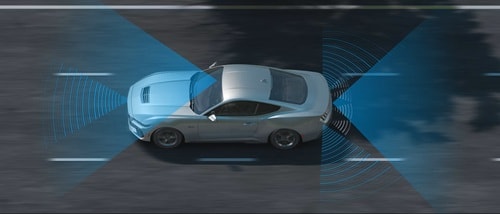
Elevating Engineering on the Florida Nature Coast
Automotive professionals consistently analyze manufacturer strategies to ensure buyers receive the highest return on their automotive investments. Recently, the automotive industry has witnessed a dramatic shift in how manufacturers guarantee reliability.
In Citrus County, the driving environment demands absolute dependability. Whether navigating daily commutes down NW US Highway 19, hauling a boat out to Kings Bay for a weekend on the water, or embarking on long road trips across the Nature Coast, a vehicle must perform flawlessly in the intense Florida climate. Ford’s strategic decision to heavily invest in AI-driven quality control ensures that every vehicle is built to withstand the rigorous demands of daily driving. This meticulous approach translates into flawlessly calibrated components, robust mechanical reliability, and incredible peace of mind for the daily commuter.
The "Fingerprint Test" and Unmatched Engine Reliability
A core component of this new strategy is spearheaded by Ford's engineering leadership, aiming for engines that last a minimum of 15 years or 225,000 miles.
Direct Comparison: Traditional Vehicle Testing vs. AI-Enhanced Development
To understand why this manufacturing shift is so groundbreaking, it is highly beneficial to compare Ford's modern, AI-enhanced development process with standard historical industry practices.
| Feature / Process | Ford AI-Enhanced Vehicle Development | Traditional Auto Manufacturing |
| Defect Detection | Advanced AI software analyzes microscopic trace data | Reactive visual inspections and basic sensors |
| Product Engineering Time | 15-hour physical tests predicted in 10 seconds | Time-consuming physical testing and clay sculpting |
| Engine Reliability Target | Designed to last 15 years or 225,000 miles | Standard industry average powertrain targets |
| Quality Strategy | Hybrid model: AI supervised by veteran engineers | Standard automated assembly line oversight |
| Proactive Issue Resolution | Adjusts manufacturing immediately based on AI flags | Issues often caught later in the production lifecycle |
The Pros and Advantages of Ford's AI Integration
Investing in an automotive brand that prioritizes cutting-edge technology and rigorous manufacturing standards delivers exceptional peace of mind. Here are the standout pros and advantages of Ford’s AI-driven quality initiatives:
-
Accelerated Product Design: By leveraging AI to create advanced 3D models and predict engineering stresses, Ford makes the entire design process remarkably smooth, allowing for faster development of safer, more efficient vehicles.
-
Microscopic Defect Detection: AI software can distinguish a microscopic deviation across hundreds of thousands of data points instantly, catching component wear far earlier than any traditional testing method.
-
Extended Vehicle Lifespan: With AI catching invisible flaws and veteran experts actively correcting manufacturing lines, Ford's internal targets aim for engines that deliver a spectacular 225,000-mile operating lifespan.
-
The Power of the Hybrid Approach: Ford combines AI data analysis with the hands-on intuition of over 350 veteran technical specialists, ensuring that smart systems support human experts to produce vastly superior automobiles.
-
Enhanced Road Safety: By running complex dynamic programs in seconds rather than hours, the engineering teams can optimize crash structures, structural rigidity, and advanced safety systems to achieve the highest possible safety ratings.
Frequently Asked Questions (FAQ)
To provide complete clarity on this remarkable leap in automotive engineering, here are straightforward, natural-language answers to the most common questions regarding Ford's use of AI technology.
1. How is Ford using AI technology in vehicle development?
Ford uses artificial intelligence to rapidly accelerate engineering simulations and product design testing.
2. What is the Ford engine "fingerprint test"?
The fingerprint test is an advanced quality control procedure where engines are run through rigorous physical stress cycles.
3. Does AI replace human engineers at Ford?
No, Ford utilizes a hybrid human-AI model. The manufacturer actively employs hundreds of veteran technical specialists who use their decades of hands-on experience to train the AI systems and interpret the highly complex data.
4. How does AI improve the speed of Ford vehicle design?
Artificial intelligence drastically reduces the time required for engineering simulations. Complex dynamic test runs that historically took up to 15 hours of physical testing can now be accurately predicted and mapped by an AI model in roughly 10 seconds, vastly streamlining product development.
5. How does this AI technology benefit me as a driver?
By catching invisible flaws during the manufacturing process and accelerating safety testing, Ford is building vehicles that are incredibly dependable. This AI-enhanced engineering is specifically designed to prevent future mechanical issues, maximizing the lifespan of your vehicle and ensuring a flawless, stress-free daily commute.
Experience Advanced Ford Engineering at Jenkins Ford of Crystal River
The automotive future is deeply intertwined with rigorous engineering and uncompromising quality control. Ford’s strategic reliance on artificial intelligence, supported by veteran technical experts, has fundamentally transformed the vehicle development process, resulting in a lineup that drivers can trust unconditionally.
At Jenkins Ford of Crystal River, the team is incredibly proud to represent a manufacturer that turns ambitious technological goals into measurable, real-world excellence. Knowledgeable automotive experts are available to answer questions, explain the advanced engineering behind the latest models, and help buyers find the perfect vehicle to elevate their daily commute on the Florida Nature Coast.
Explore the modern lineup and learn more about Ford's inspiring commitment to technological excellence. Contact Jenkins Ford of Crystal River on NW US Highway 19 in Crystal River, FL, today to discover the outstanding value, innovative design, and superior, AI-driven quality of the new Ford lineup.